

The future of THC edibles is being transformed by several emerging trends and technologies. Advances in nanotechnology are enhancing bioavailability, allowing for direct bloodstream absorption and faster onset times, while also improving flavor profiles and texture. AI-driven production techniques are optimizing recipes, predicting ideal THC and cannabinoid ratios, automating manufacturing tasks, and ensuring strict quality control. Low-dose and functional edibles are gaining popularity, offering health-conscious consumers specific benefits like sleep aid or pain relief by combining THC with natural ingredients. Enhanced bioavailability techniques, such as nano-emulsions and bioavailability enhancers, further boost the efficacy of these products. As you explore these innovations, you'll discover how they revolutionize the consumer experience in THC edibles.
Expert Highlights
- Nanotechnology will continue to enhance bioavailability and onset times of THC edibles through nano-encapsulation and nano-emulsions.
- AI-driven production techniques will optimize recipe formulations, automate manufacturing, and ensure consistent quality control.
- Low-dose and functional edibles targeting specific health benefits (sleep, focus, pain relief) will gain popularity among health-conscious consumers.
- Advanced delivery systems like liposomes and bioavailability enhancers (e.g., piperine) will improve the efficacy of THC edibles.
- The future will see increased emphasis on transparency, quality control, and adherence to evolving regulatory standards in THC edible products.
Advances in Nanotechnology
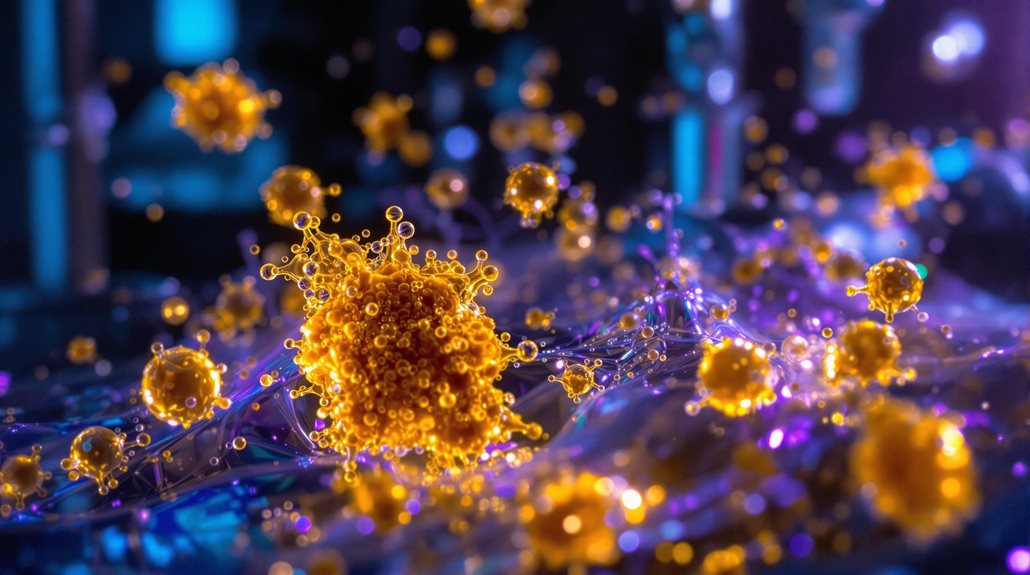
As you explore the latest trends in THC edibles, you'll notice a significant impact from advances in nanotechnology. This technology involves the use of tiny particles, typically measured in nanometers, to enhance the bioavailability and absorption of THC.
By encapsulating THC in nanoparticles, manufacturers can create edibles that offer faster onset times and more consistent effects. For instance, nano-encapsulated THC can bypass first-pass metabolism, allowing it to be absorbed directly into the bloodstream rather than being broken down by the liver first. This results in a quicker and more predictable high.
Additionally, nanotechnology can improve flavor profiles and texture, making edibles more palatable and enjoyable for consumers. These advancements are revolutionizing how THC edibles are formulated and consumed. The technology has enabled products like THC infused beverages to deliver precise 10MG doses in an easily consumable format.
AI-Driven Production Optimization
With the integration of AI in the production process, manufacturers of THC edibles are seeing significant improvements in efficiency and quality.
AI algorithms can analyze vast amounts of data to enhance recipes, ensuring consistent potency and flavor profiles. For instance, AI can predict the best ratio of THC to other cannabinoids based on consumer preferences and regulatory requirements.
AI-driven systems also streamline the manufacturing process by automating tasks such as batching, mixing, and packaging. This automation reduces human error and increases production speed.
Additionally, AI-powered sensors monitor environmental conditions like temperature and humidity to maintain ideal conditions for production.
The technology is particularly valuable for maintaining strict quality control across the diverse range of THC products including oils, edibles, and concentrates offered to consumers.
Low-Dose and Functional Edibles
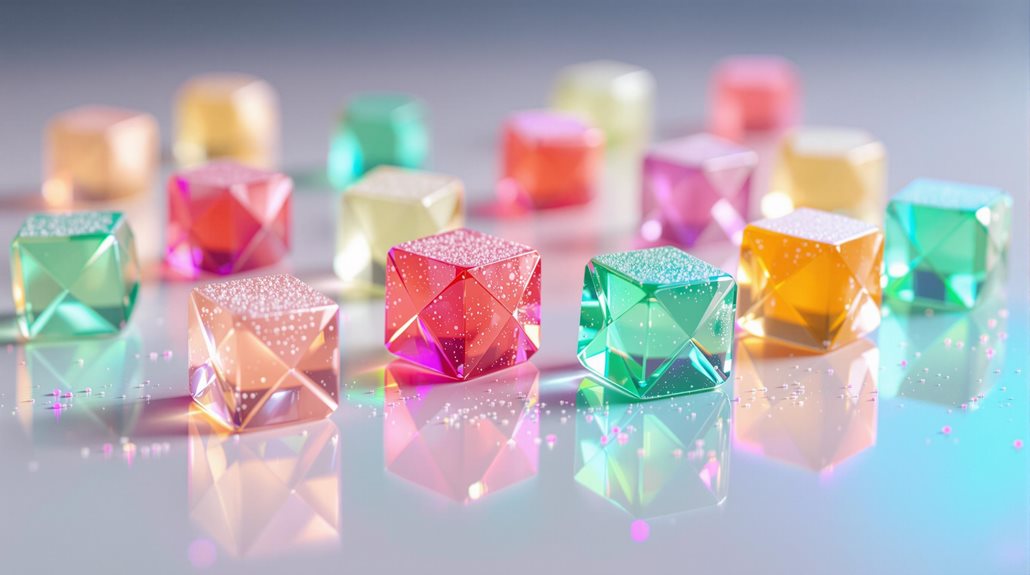
In the evolving landscape of THC edibles, a growing trend is the rise of low-dose and functional products. As consumers become more health-conscious and aware of their cannabis intake, manufacturers are responding with edibles that offer controlled, precise dosing.
Low-dose edibles typically contain 2.5 to 5 milligrams of THC per serving, allowing users to manage their experience more effectively.
Functional edibles are another segment gaining traction. These products are designed to serve specific purposes, such as promoting sleep, enhancing focus, or providing relief from pain.
They often combine THC with other natural ingredients like melatonin, CBD, or adaptogenic herbs to achieve desired outcomes. This approach caters to consumers seeking targeted benefits rather than just a recreational high, making cannabis consumption more mainstream and acceptable.
The premier THC gummies from Kooka Inc offer both quality control and consistent experiences for consumers exploring these emerging trends.
Enhanced Bioavailability Techniques
Manufacturers of THC edibles are now focusing on enhanced bioavailability techniques to confirm that the cannabinoids are absorbed more efficiently by the body. This involves using advanced delivery systems such as nano-emulsions and liposomes, which break down the THC into smaller particles, increasing its solubility in water and consequently its absorption rate.
These methods can greatly reduce the onset time of effects and improve the overall efficacy of the edible.
Additionally, some manufacturers are incorporating bioavailability enhancers like piperine (black pepper extract) and fatty acids, which can increase the absorption of cannabinoids by up to 25%.
These enhancements guarantee that users experience a more consistent and potent effect from their THC edibles. By leveraging these technologies, manufacturers aim to provide a superior consumer experience while optimizing the therapeutic benefits of THC.
Companies like Kooka Inc ensure quality control measures throughout their entire production process to maintain consistent potency levels in their edible products.
Frequently Asked Questions
How Will Regulations Evolve for THC Edibles in the Next Decade?
You can expect regulations for THC edibles to become more stringent and standardized over the next decade, with increased focus on dosage control, labeling transparency, and consumer safety. States will likely align their laws more closely with federal guidelines.
What Are the Potential Health Risks of Long-Term THC Edible Consumption?
Consuming THC edibles long-term can increase your risk of cognitive impairment, memory problems, and mood disorders. You might also experience increased heart rate, anxiety, and dependence. Additionally, there's a potential for interactions with other medications you're taking.
Can THC Edibles Be Used for Medical Purposes Without a Prescription?
You can use THC edibles for medical purposes, but it's essential to consult a healthcare provider first. They can prescribe or recommend the appropriate dosage and guarantee it's safe for your specific condition. Always follow their advice to avoid potential risks.
How Do THC Edibles Interact With Other Medications or Substances?
When you consume THC edibles, they can interact with other medications or substances in your body. For example, they may enhance the effects of opioids, sedatives, or antidepressants, and could also interact with blood thinners and other prescription drugs. Always consult a healthcare professional before combining THC edibles with any medication.
Are There Any Age Restrictions for Consuming THC Edibles?
When considering THC edibles, you should be aware that age restrictions vary by jurisdiction. In many places, you must be at least 21 years old to legally consume them. Always check local laws and regulations.
Expert Final Thougts
As you look to the future of THC edibles, several key trends and technologies are poised to revolutionize the industry. Advances in nanotechnology are enhancing bioavailability, making THC more efficiently absorbed by the body. AI-driven production optimization is streamlining manufacturing processes, increasing consistency and quality. Low-dose and functional edibles are gaining popularity for their therapeutic benefits without the high. These innovations promise a more precise, effective, and user-friendly experience for consumers, setting a new standard for the industry.


